Factoring vs Waiting for Payment
Factoring vs waiting for payment: compare cost, cash flow, risk, flexibility, and when each option makes sense for your trucking business.
Factoring vs Waiting for Payment: Which Is Better?
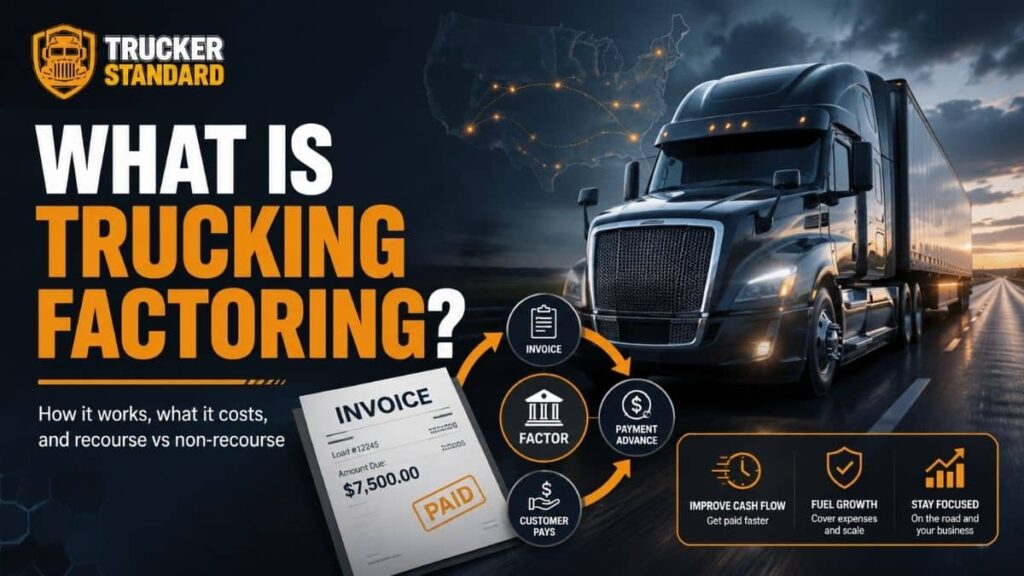
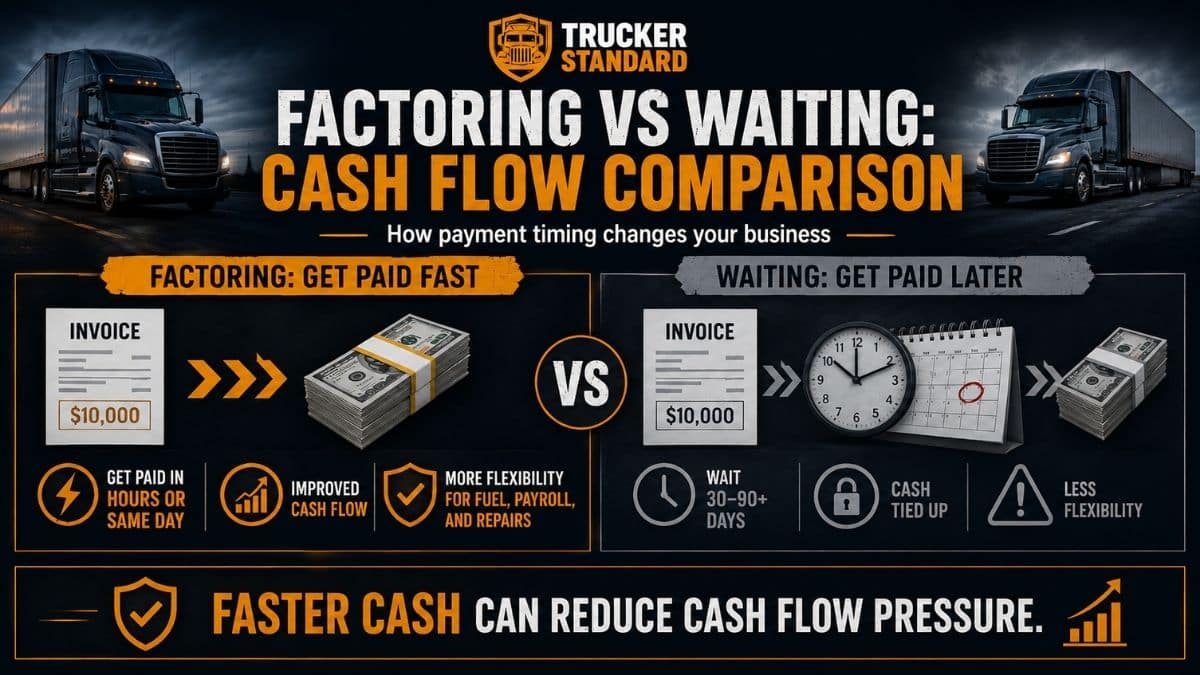
Factoring vs waiting for payment is mainly a choice between speed and cost. Factoring can provide earlier access to cash for eligible invoices, but the carrier pays a fee and may accept contract obligations. Waiting avoids the factoring fee and usually preserves more of the invoice value, but the carrier must finance fuel, payroll, insurance, repairs, and other expenses until the broker or shipper pays.
Factoring vs Waiting for Payment Comparison
This factoring vs waiting for payment comparison focuses on the practical effect on a trucking company’s cash flow, margin, and operating flexibility.
Approved invoices may be funded the same day or within the provider’s stated processing window.
Payment arrives under the customer’s terms, which may extend to 30, 60, or 90 days.
The factor charges a percentage and may add transfer, minimum, reserve, or contract fees.
There is no factoring fee, although delayed cash can create borrowing or operational costs.
Cash becomes available shortly after the eligible invoice and documents are approved.
The invoice stays in accounts receivable while operating expenses continue.
The agreement may include recourse, exclusivity, minimums, renewals, and termination terms.
No factoring contract applies, but the broker’s payment and dispute terms still control.
The factor commonly handles collection activity for assigned invoices.
The carrier manages invoicing, follow-up, aging, and collection internally.
Many factors provide customer-credit checks and establish funding limits.
The carrier evaluates customer credit and manages its own exposure.
The business keeps the invoice value minus the factoring fee and applicable charges.
The business normally keeps the full invoice amount if the customer pays in full.
A $10,000 Invoice: Factoring or Waiting?
This simplified example uses a 2.5% factoring fee and excludes reserves, transfer charges, financing costs, taxes, and other contract fees.
The $250 difference is the visible factoring cost in this example. The actual decision should also account for the financial impact of waiting: missed loads, credit-card interest, fuel constraints, repair delays, payroll pressure, or the value of having cash available for growth.
How Payment Timing Changes Trucking Cash Flow
DAT and multiple freight-factoring providers describe common invoice waits of 30, 60, or 90 days. During that period, operating expenses continue even though the load has already been delivered.
Diesel must usually be purchased before the previous freight invoice has been paid.
Unexpected mechanical work can require immediate cash to keep the truck operating.
Drivers and employees are paid on a schedule that may not match customer payment terms.
Premiums remain due even while a substantial amount of revenue is tied up in receivables.
Available working capital can determine whether the carrier can accept additional profitable freight.
Waiting may be more expensive than it appears if the carrier uses high-cost debt to bridge the gap.
When Does Factoring Make Sense?
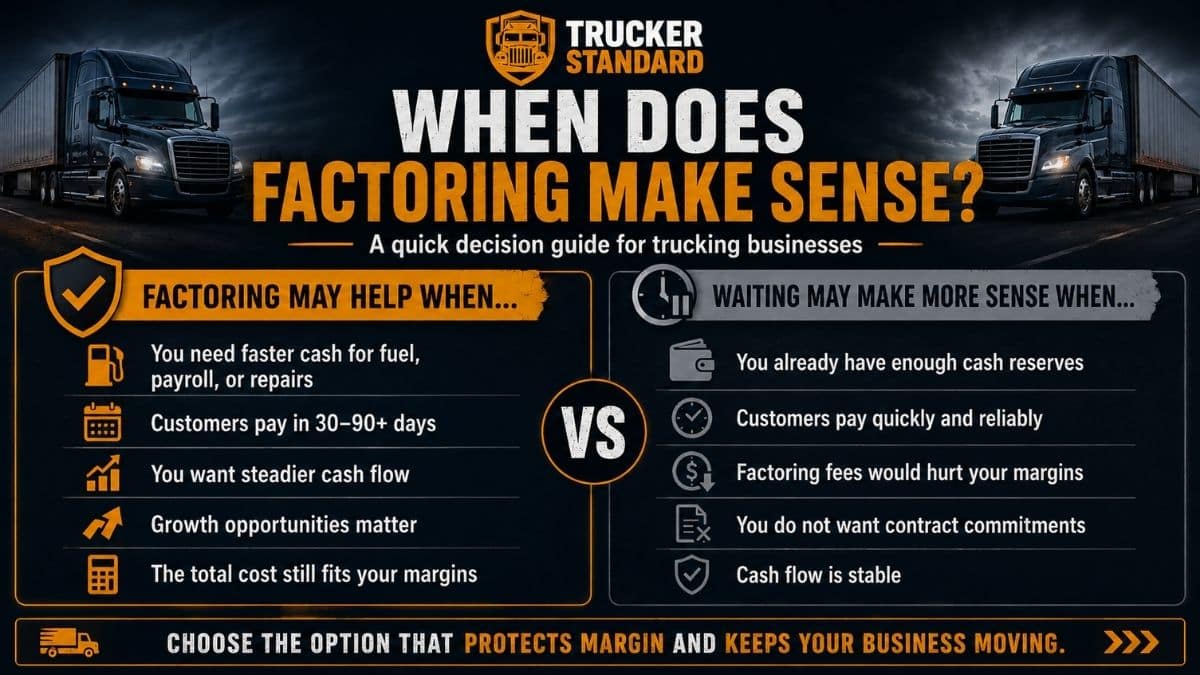
Factoring May Make Sense When
- Customers regularly pay 30–90 days after invoicing.
- You need predictable cash for fuel, payroll, insurance, or repairs.
- The total factoring cost still leaves an acceptable profit margin.
- Cash availability would let you accept additional profitable loads.
- You value customer-credit checks or accounts-receivable support.
- Your business is growing faster than its cash reserves.
Waiting May Make More Sense When
- Your customers pay quickly and reliably.
- You have enough cash reserves to cover operating expenses.
- The factoring fee would reduce already-thin margins too much.
- You do not want contract commitments or invoice assignments.
- Your invoice volume is low or inconsistent.
- You can obtain less expensive working capital elsewhere.
The Hidden Cost of Waiting for Payment
Waiting has no factoring fee, but it is not always cost-free. The relevant question is what the business must give up or finance while its invoices remain unpaid.
A lack of fuel or operating cash may cause the carrier to decline profitable freight.
Borrowing money to cover the payment gap can create costs that should be compared with factoring.
Postponing repairs can create downtime or more expensive mechanical problems later.
Factoring vs Waiting vs Broker Quick Pay
Broker quick pay can be a middle option when it is available, but it only applies to the specific broker and load.
Factoring
- Who pays firstA third-party factoring company purchases or advances against an eligible invoice.
- Best useOngoing cash-flow support across multiple approved brokers or shippers.
- SpeedPotentially same-day or fast funding after approval and verification.
- Main tradeoffFactoring fees and contractual obligations may apply.
Waiting
- Who paysThe broker or shipper pays under its standard payment terms.
- Best useCarriers with adequate reserves and dependable customer payment history.
- SpeedPayment may take 30, 60, or 90 days depending on the customer.
- Main tradeoffCash remains tied up, but there is no factoring fee.
Broker Quick Pay
- Who pays firstThe broker accelerates payment on its own invoice.
- Best useSelected loads where the broker offers acceptable pricing and speed.
- SpeedVaries by broker and may range from same-day to several business days.
- Main tradeoffIt only applies to brokers that offer the program.
Practical rule: compare the total fee, actual payment speed, coverage across customers, and contract flexibility—not just which option sounds fastest.
Do Not Choose Based on Payment Speed Alone
- Calculate the complete factoring cost, not only the headline rate.
- Review recourse and chargeback provisions.
- Check minimum volume, exclusivity, and automatic renewal.
- Confirm ACH, wire, UCC, reserve, and termination charges.
- Compare the fee with the real cost of borrowing while waiting.
- Do not factor an unprofitable load simply to receive cash faster.
- Verify customer eligibility before accepting the load.
- Use actual payment history rather than assuming every invoice takes 90 days.
How to Decide Using Your Own Numbers
Calculate the average number of days between invoicing and actual customer payment.
Include the factoring rate, transfer charges, minimums, reserves, and contract costs.
Include borrowing, missed loads, downtime, late payments, and reduced purchasing flexibility.
Make sure the load remains profitable after either factoring or bridge-financing costs.
Check recourse, notice periods, renewals, minimums, exclusivity, and UCC release terms.
The right choice can change as reserves, customer mix, rates, and business volume improve.
Compare Factoring Only After Calculating the Tradeoff
In a factoring vs waiting for payment decision, factoring is most useful when the value of earlier cash exceeds the complete cost of the agreement. Waiting is usually stronger when the business can comfortably fund operations and preserve the full invoice value.
Related Factoring Guides
Learn how freight factoring works, which documents are required, and how risk is allocated.
Review flat rates, tiered fees, reserves, transfer charges, minimums, and termination costs.
Compare providers by pricing, contract structure, funding process, and suitability.
Factoring vs Waiting for Payment Questions
Is factoring better than waiting 30, 60, or 90 days?
Factoring may be better when earlier cash prevents expensive borrowing, missed loads, payroll pressure, or downtime. Waiting may be better when the carrier has sufficient reserves and the factoring cost would unnecessarily reduce margin.
How much revenue do I lose by factoring?
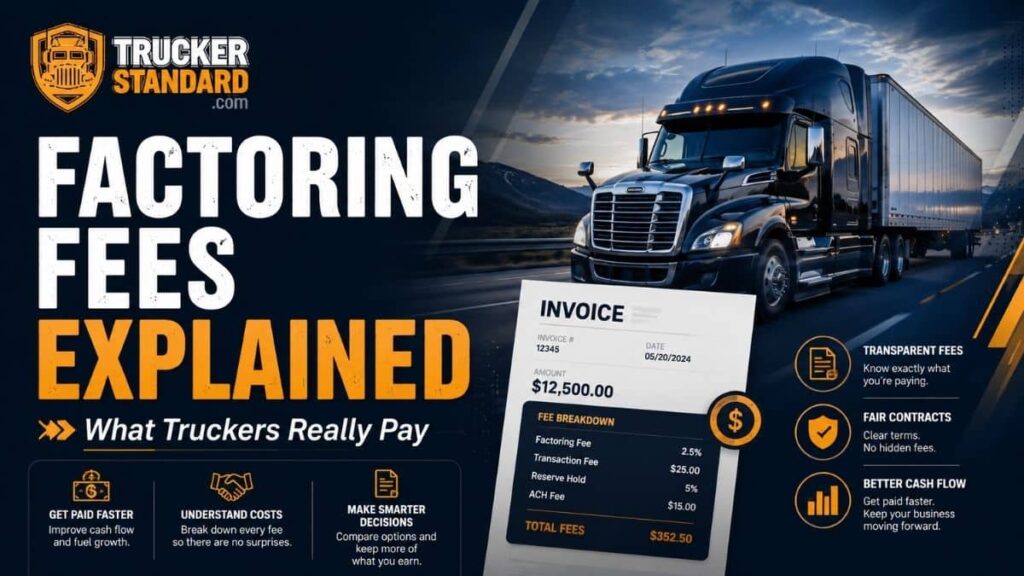
The amount depends on the factoring rate and all additional charges. For example, a 2.5% fee on a $10,000 invoice is $250 before transfer fees, minimums, reserves, or other contract costs.
Does waiting for payment cost anything?
Waiting does not create a factoring fee, but it may create opportunity costs or borrowing costs if the carrier needs credit for fuel, payroll, repairs, or additional loads.
Can I factor only when cash flow is tight?
Some providers allow selective factoring, while others require customer-level assignments, exclusivity, or minimum volume. The written agreement controls whether occasional use is permitted.
Is broker quick pay cheaper than factoring?
Sometimes, but not always. Compare the broker’s quick-pay fee with the factor’s complete cost, payment timing, contract obligations, and coverage across multiple customers.
Can factoring help a new trucking company?
It can help bridge the gap between completing loads and receiving customer payment. However, new carriers should still protect margins, verify every fee, and avoid restrictive contracts they do not fully understand.
Does factoring guarantee that every invoice will be funded?
No. Funding normally depends on customer approval, invoice eligibility, complete documents, verification, credit limits, and compliance with the factoring agreement.
What is the most important number to compare?
Compare the total effective cost of receiving cash early with the financial and operational cost of waiting. The advertised factoring rate by itself is not enough.
Official Sources Reviewed
- DAT — Freight factoring and common 30-, 60-, and 90-day payment waits
- DAT Outgo — Freight load factoring and faster access to approved invoice funds
- DAT — Invoice factoring guide for truckers
- Apex Capital — Flat and tiered factoring structures
- Apex Capital — Factoring rates and the cost of faster payment
- eCapital — Freight factoring fees and advance rates
- eCapital — When factoring may support trucking cash flow
- OTR Solutions — Factoring for owner operators
- OTR Solutions — Recourse and non-recourse risk